Stanislav Dospevski House Museum – Pazardzhik

Sights

What to visit in Pazardzhik and the region

Sights nearby

What to visit in Pazardzhik and the region

From National Revival houses and museums in town to caves, fortresses and waterfalls in the Rhodopes – discover the history and nature around Pazardzhik.

Regional Historical Museum – the Lapidarium – Pazardzhik
01Pazardzhik

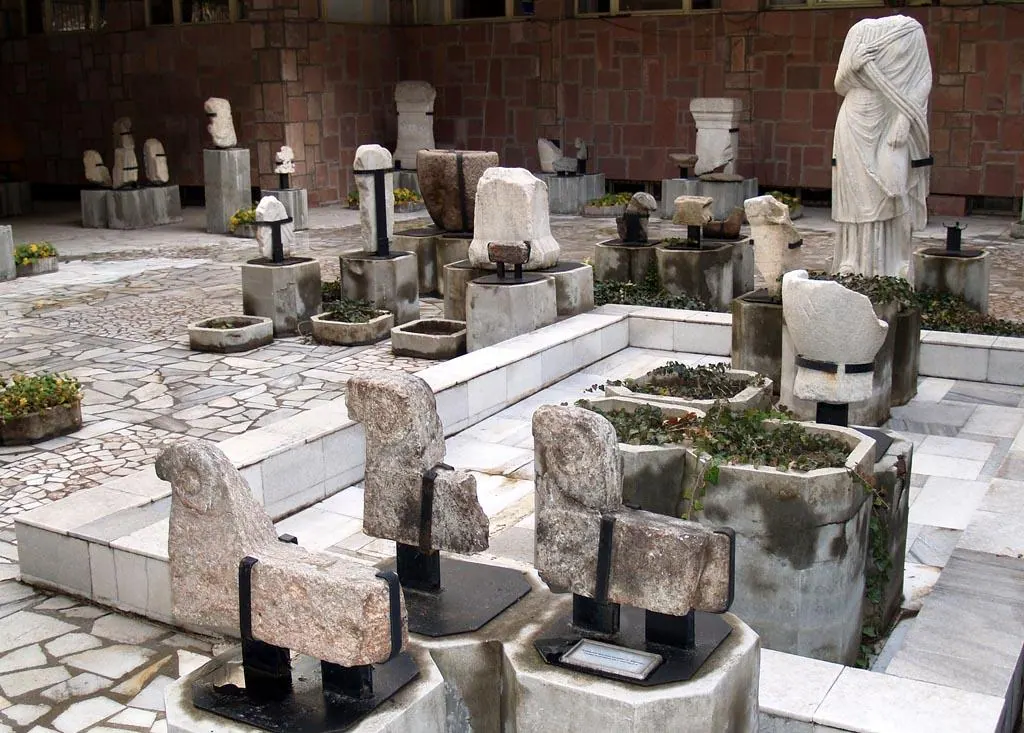
Regional Historical Museum – the Lapidarium

The Lapidarium, housed in the building of the Regional Historical Museum, displays in chronological order finds that are not part of the indoor exhibition: statues, road columns, altars and stone cult figures. Architectural elements are also on show – bases, capitals, columns and architraves.
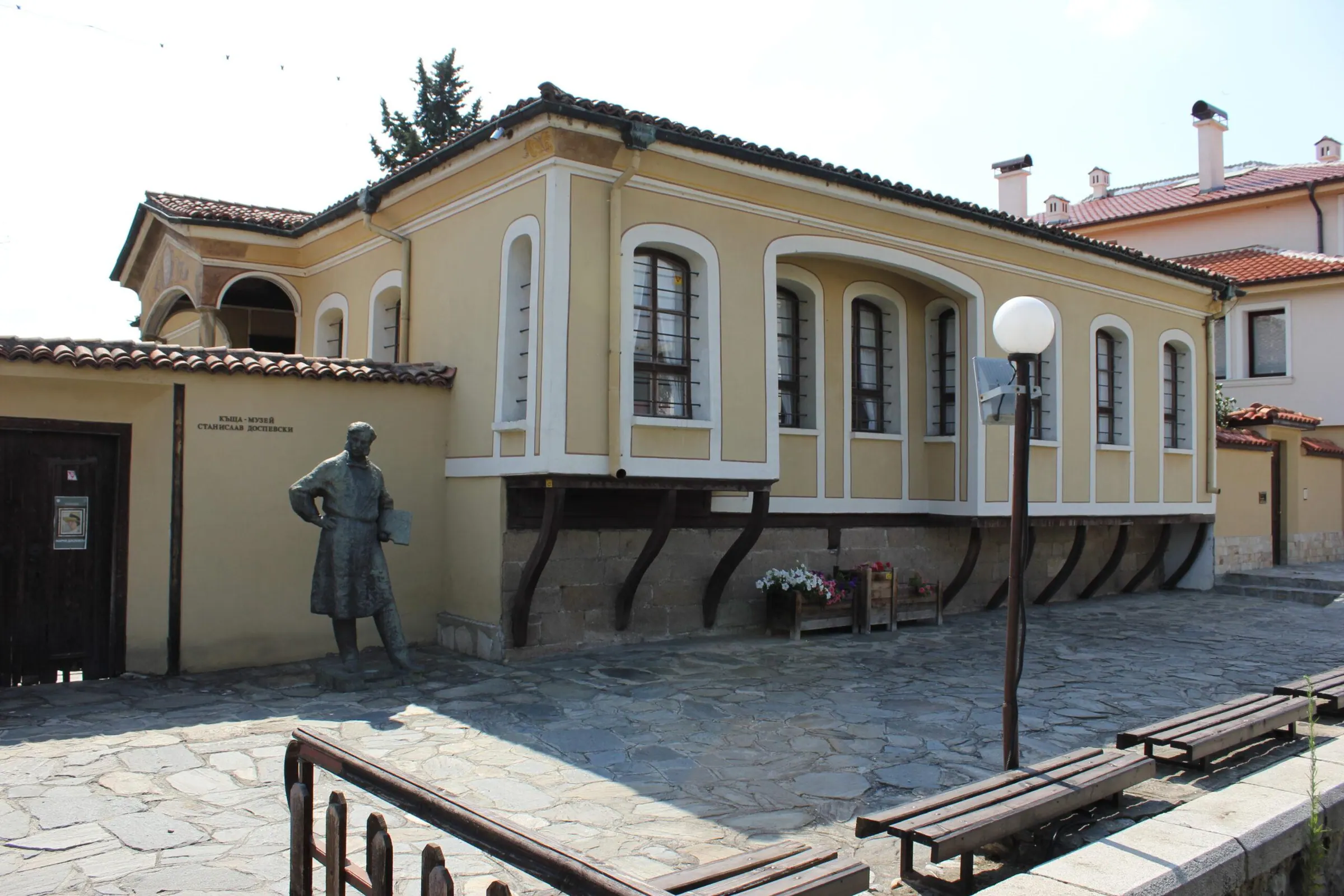
Stanislav Dospevski House Museum – Pazardzhik
02Pazardzhik

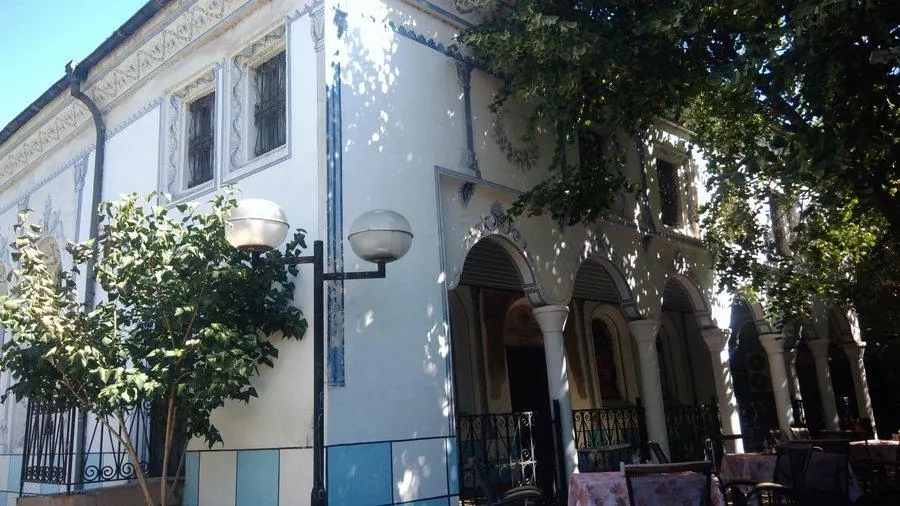
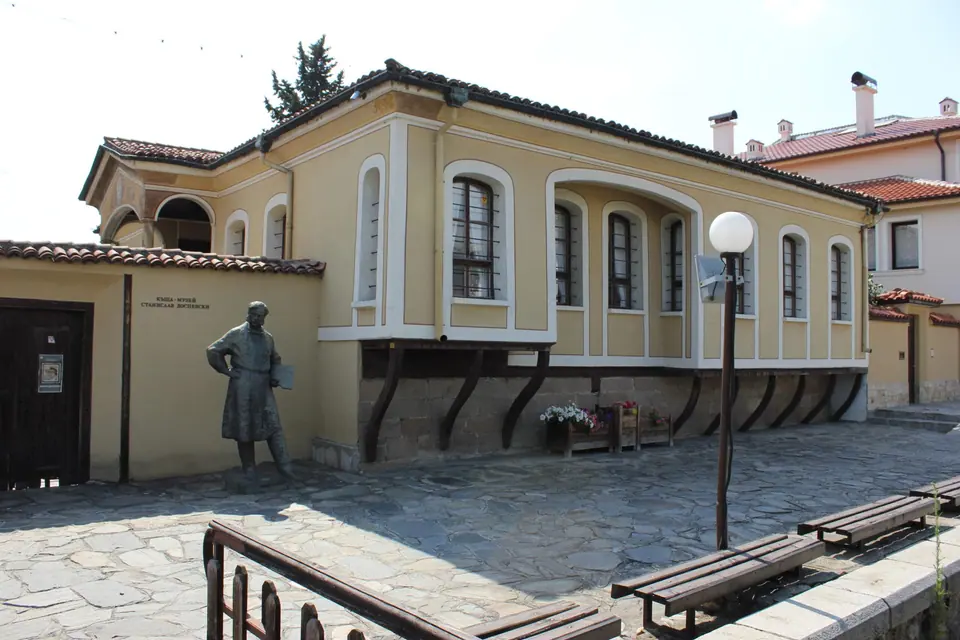
Stanislav Dospevski House Museum

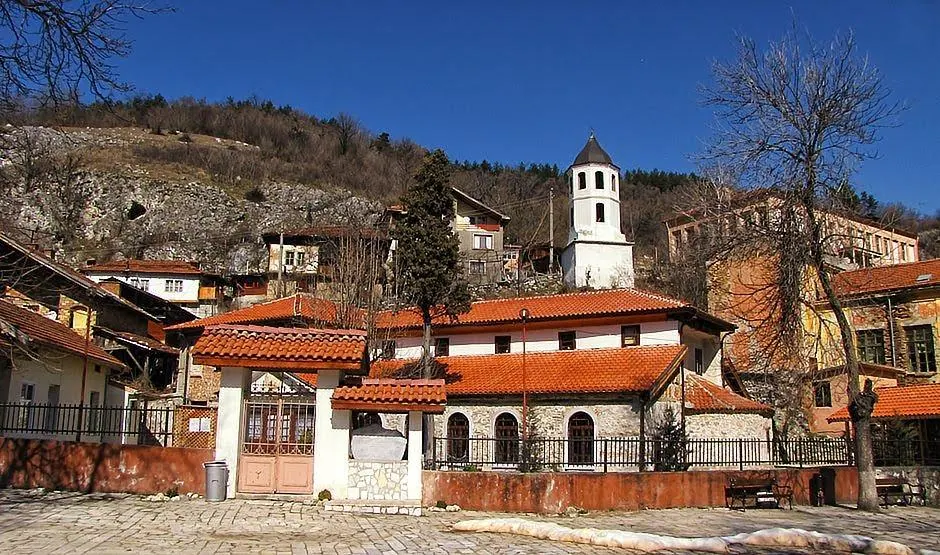
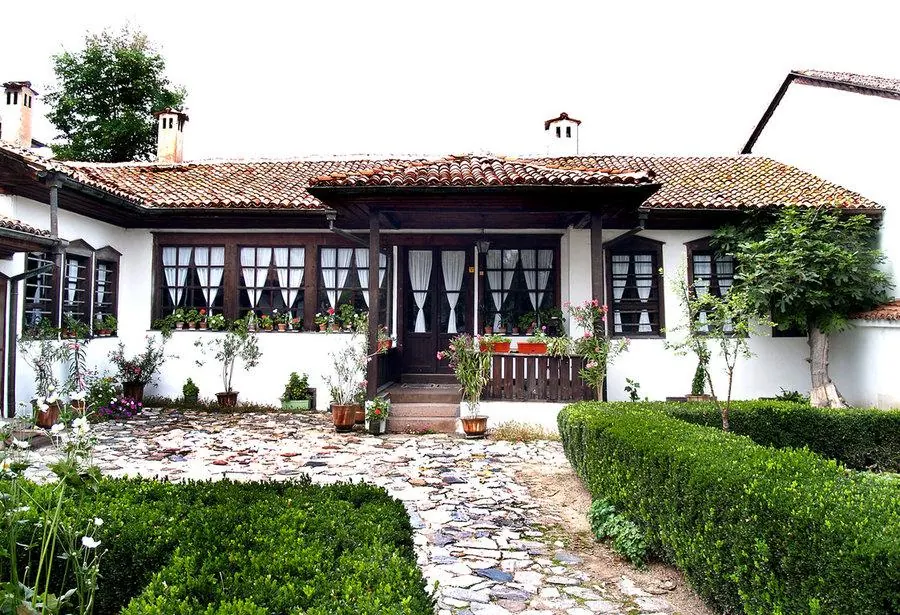
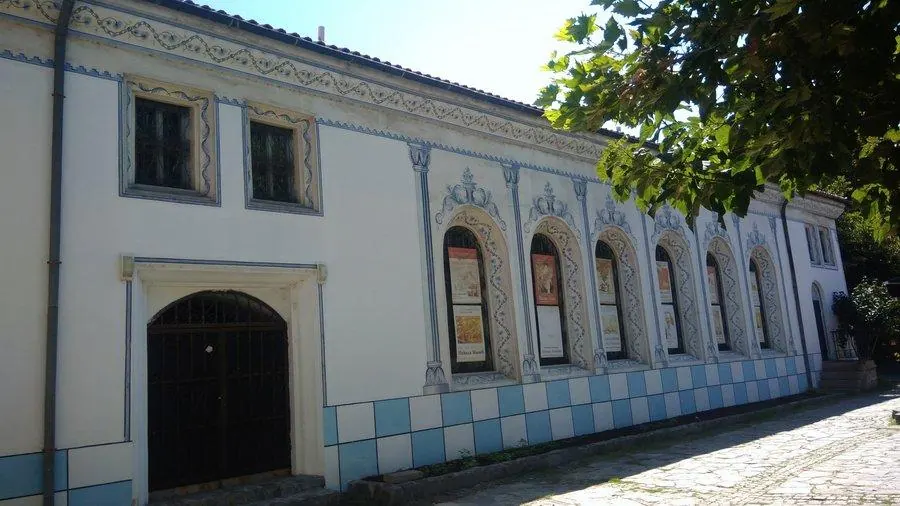
Located at 54 Maria Luiza Blvd in Pazardzhik, the house was built in 1864 by master builders from Bratsigovo. It is an architectural, artistic and historical monument of national importance. Its walls were painted by Stanislav Dospevski (1823–1878) – the first academically trained painter in Bulgaria, who studied portrait painting in Saint Petersburg.

Clock Tower – Pazardzhik
03Pazardzhik

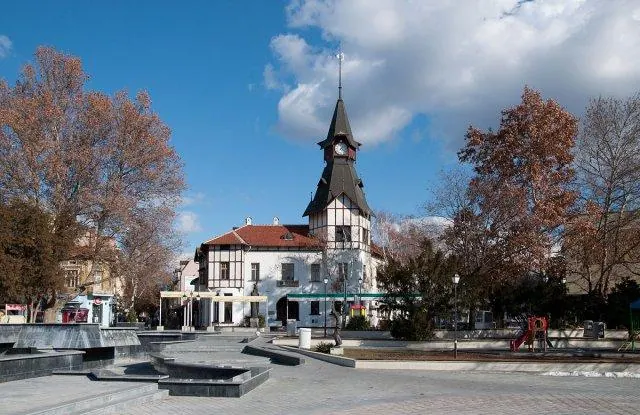
Clock Tower

The clock tower of Pazardzhik was built in the 18th century in Tatar Pazardzhik, Ottoman Empire (today’s Pazardzhik), and was demolished in 1928. It was rebuilt in 2010 with the help of the local community. The 27-metre tower stands on Saedinenie Square.

Church of the Dormition of the Theotokos – Pazardzhik
04Pazardzhik

Church of the Dormition of the Theotokos

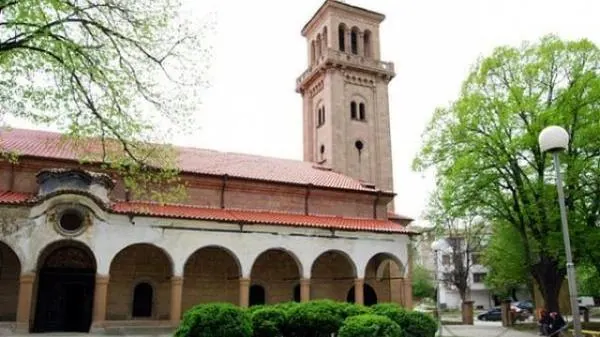
The Cathedral of the Holy Mother of God stands at 50 Bulgaria Blvd. Built in 1836–1837, it is the largest church of the Bulgarian National Revival period and a cultural monument of national importance. Its greatest treasure is the carved wooden iconostasis, the work of master carvers from the Debar-Miyak school, joined by local craftsmen.

The Old Post Office building – Pazardzhik
05Pazardzhik

The Old Post Office building

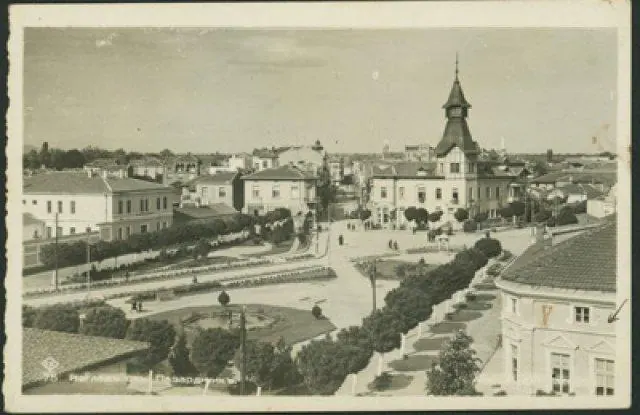
The building at 10 Asen Zlatarov St in Pazardzhik was built in 1911 to a design by architect Koychev and is an architectural monument. Set in the city centre, facing three streets and crowned by a clock tower, it is a symbol of the city.

Ostrov Svoboda Park – Pazardzhik
06Pazardzhik

Ostrov Svoboda Park

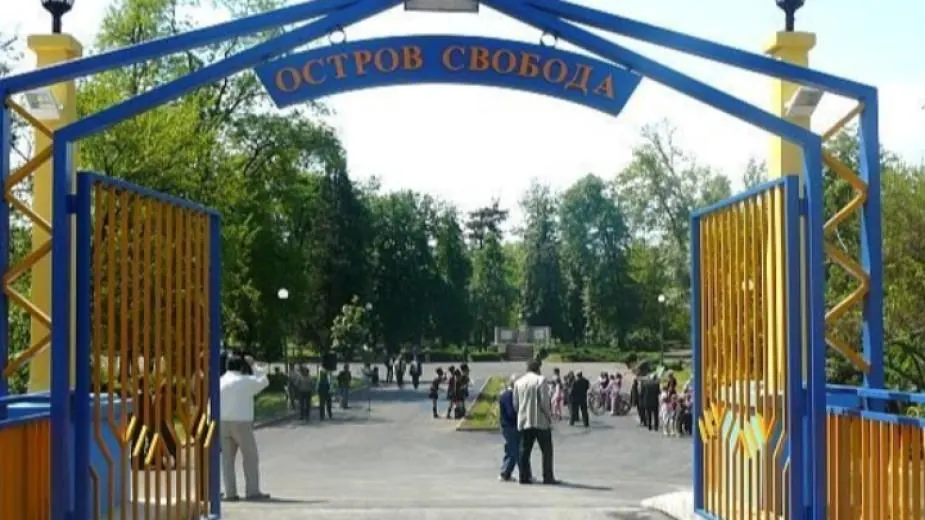
Ostrov Svoboda Park is one of the most beautiful places in Pazardzhik: play volleyball, basketball or mini football, or use the running tracks. Explore the open-air collection of more than 200 sculptures, stroll down the Alley of Mirrors, visit the zoo with over 30 animal species, and finally relax on the longest bench in the world. The pairs of Amur tigers and lions are a big attraction.

“European City of Sport” 2020 – Pazardzhik
07Pazardzhik

“European City of Sport” 2020

Pazardzhik hosts more than 150 sporting events every year, many of them national and world-class competitions.

Lepenitsa Cave – Rakitovo – Rakitovo
08Rakitovo

Lepenitsa Cave – Rakitovo

A visit to Lepenitsa Cave is an extreme adventure we recommend to all nature lovers. You do not need any special fitness or preparation to set off.

Snezhanka Cave – Peshtera – Peshtera
09Peshtera

Snezhanka Cave – Peshtera

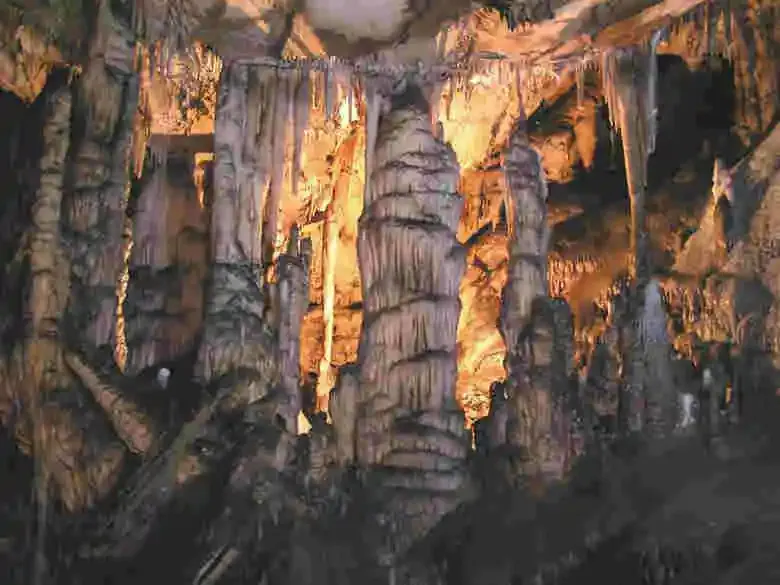
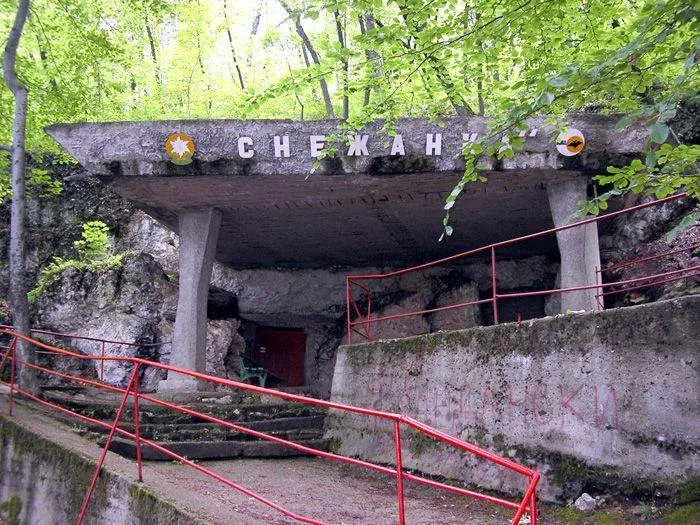
The fairy-tale Snezhanka Cave lies hidden deep in the Rhodope Mountains. Bulgaria has many caves and each one is admirable, but the richness of Snezhanka is unique.

The ancient town of Levke – Golyamo Belovo – Golyamo Belovo
10Golyamo Belovo

The ancient town of Levke – Golyamo Belovo

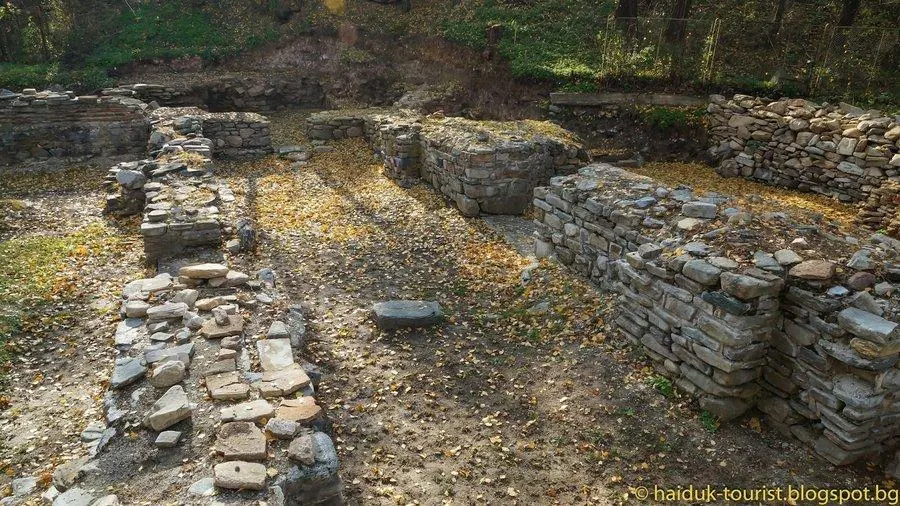
The ruins of the ancient town of Levke lie on Sveti Spas peak above the village of Golyamo Belovo. The remains of the fortress are right next to the Belovo Basilica.

Tsepina Fortress – Dorkovo – Dorkovo
11Dorkovo

Tsepina Fortress – Dorkovo

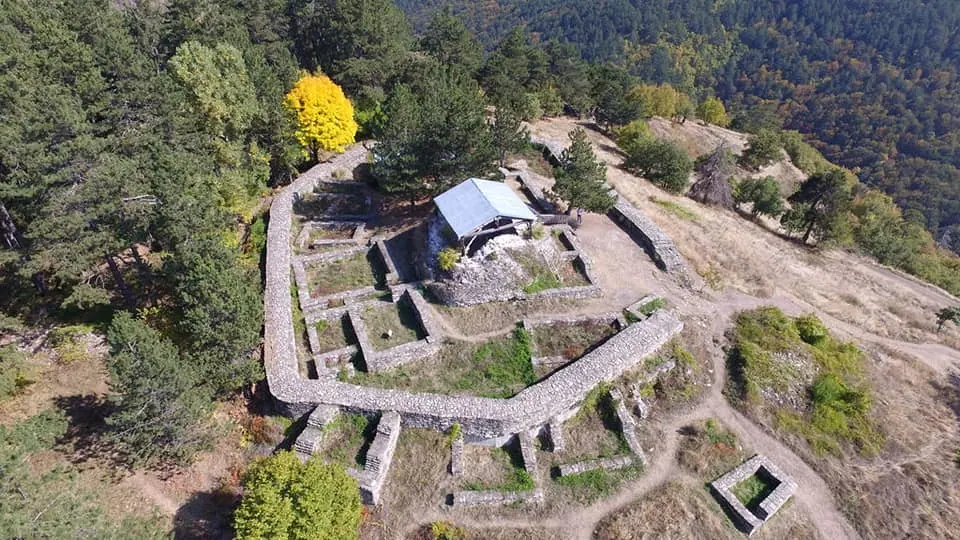
Tsepina is a medieval fortress north-west of the village of Dorkovo, Rakitovo municipality, southern Bulgaria. It is reached by a 6-kilometre paved road and sits on the cone-shaped Tsepina peak (1,136 m).

Nikolitsa Basilica – Rakitovo – Rakitovo
12Rakitovo

Nikolitsa Basilica – Rakitovo

The basilica in the Nikolitsa area near Rakitovo is an early Christian, three-nave, cross-domed church. It was built in the 4th–6th centuries by the Thracian Bessi tribe, who adopted Christianity at the end of the 4th century from the missionary Bishop Nicetas of Remesiana.

Rock church of Saints Cosmas and Damian – Golyamo Belovo – Golyamo Belovo
13Golyamo Belovo

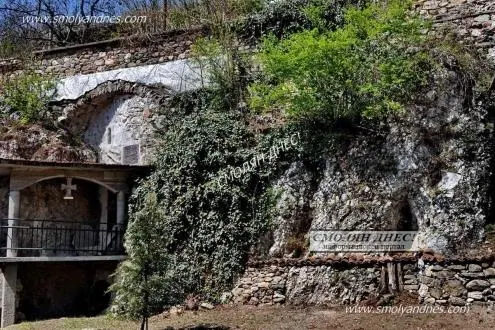
Rock church of Saints Cosmas and Damian – Golyamo Belovo

Many human destinies have crossed the village of Golyamo Belovo. Georgi Benkovski passed through here with his Flying Band, and Todor Kableshkov founded the local community centre (chitalishte).

Belovo Basilica – Golyamo Belovo – Belovo
14Belovo

Belovo Basilica – Golyamo Belovo

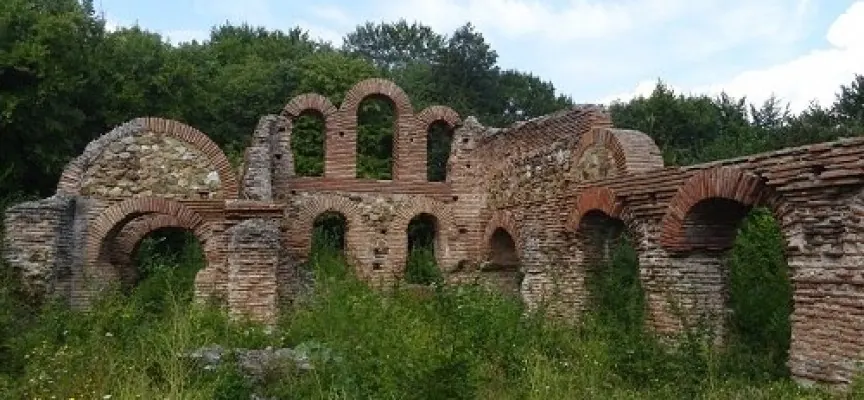
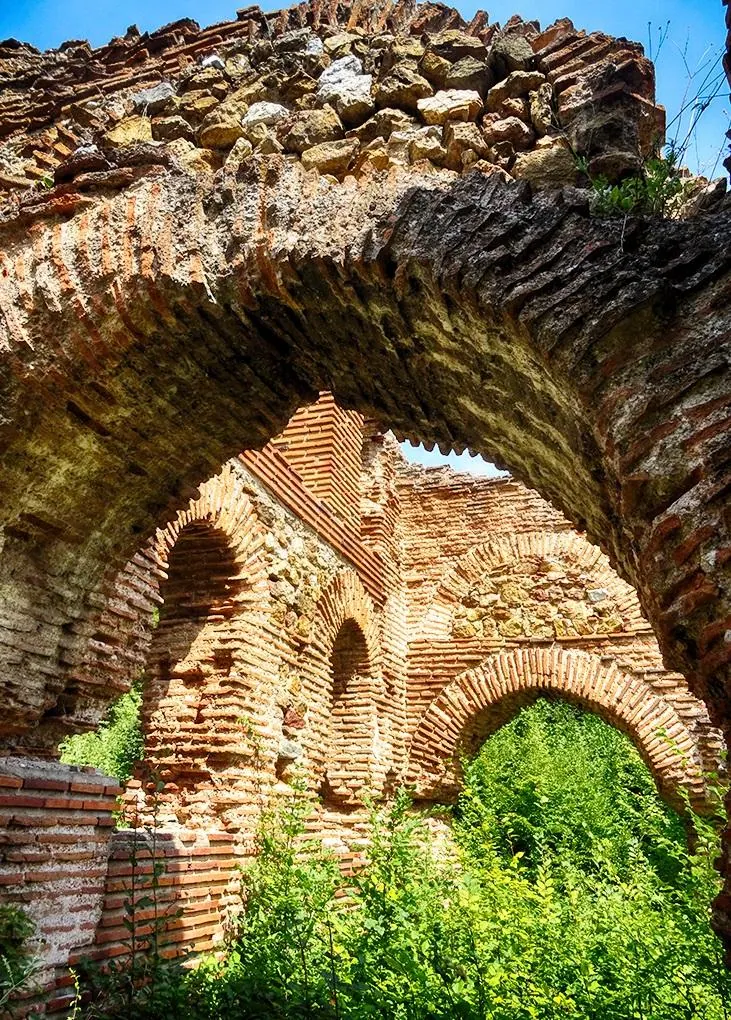
The Belovo Basilica of the Ascension, also called Sveti Spas, is an early medieval basilica near the town of Belovo in Pazardzhik Province. It survived until the 17th century, when it was destroyed by the Ottomans during the forced Islamisation of the Bulgarians of the Chepino villages.

St George’s Church – Golyamo Belovo – Golyamo Belovo
15Golyamo Belovo

St George’s Church – Golyamo Belovo

The village of Golyamo Belovo welcomes visitors with its rich history, natural beauty and people ready to open the doors of the past to anyone who wishes to touch it.

Fotinovo Waterfalls – Fotinovo – Fotinovo
16Fotinovo

Fotinovo Waterfalls – Fotinovo

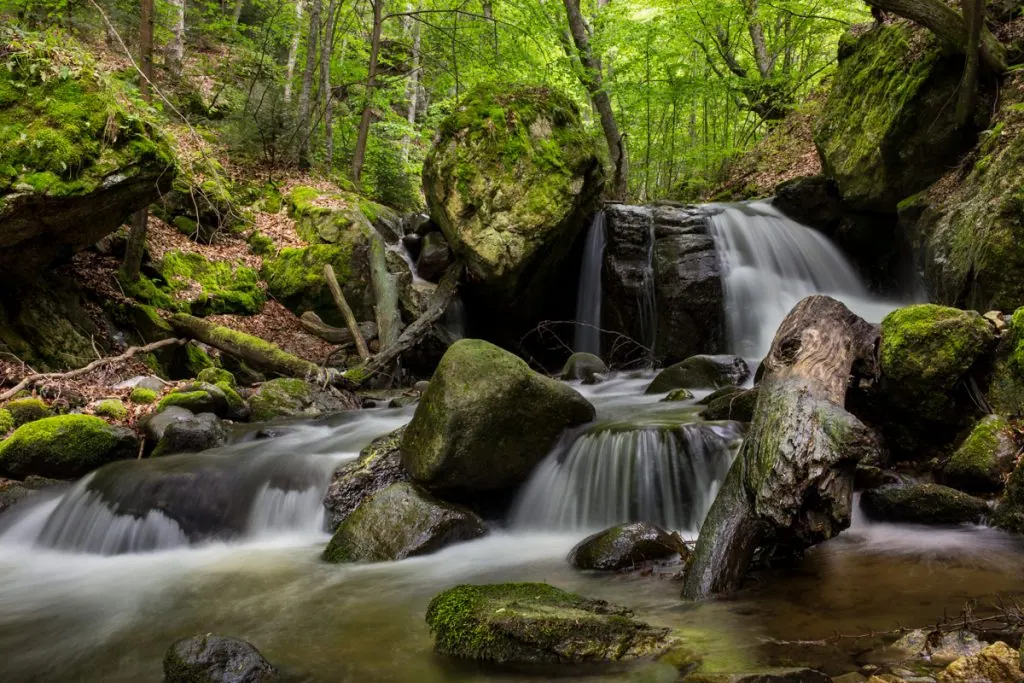
Among the most popular waterfalls in the Rhodopes: three falls from 5 to 18 m high. They flow all year round, but to see them at their fullest, avoid the driest months of the year.

Konstantin Velichkov House Museum – Pazardzhik
17Pazardzhik

Konstantin Velichkov House Museum

The museum is the birthplace of Konstantin Velichkov (1855–1907), the most prominent figure Pazardzhik gave to the Bulgarian National Revival. The house was built in 1850 and is a cultural monument of national importance.

Ethnographic exhibition of the Regional Historical Museum – Pazardzhik
18Pazardzhik

Ethnographic exhibition of the Regional Historical Museum

The ethnographic exhibition of the Regional Historical Museum is housed in the largest National Revival-era house in Pazardzhik, built in 1850 by Bratsigovo masters in Baroque style.

Konstantin Velichkov Drama and Puppet Theatre – Pazardzhik
19Pazardzhik

Konstantin Velichkov Drama and Puppet Theatre

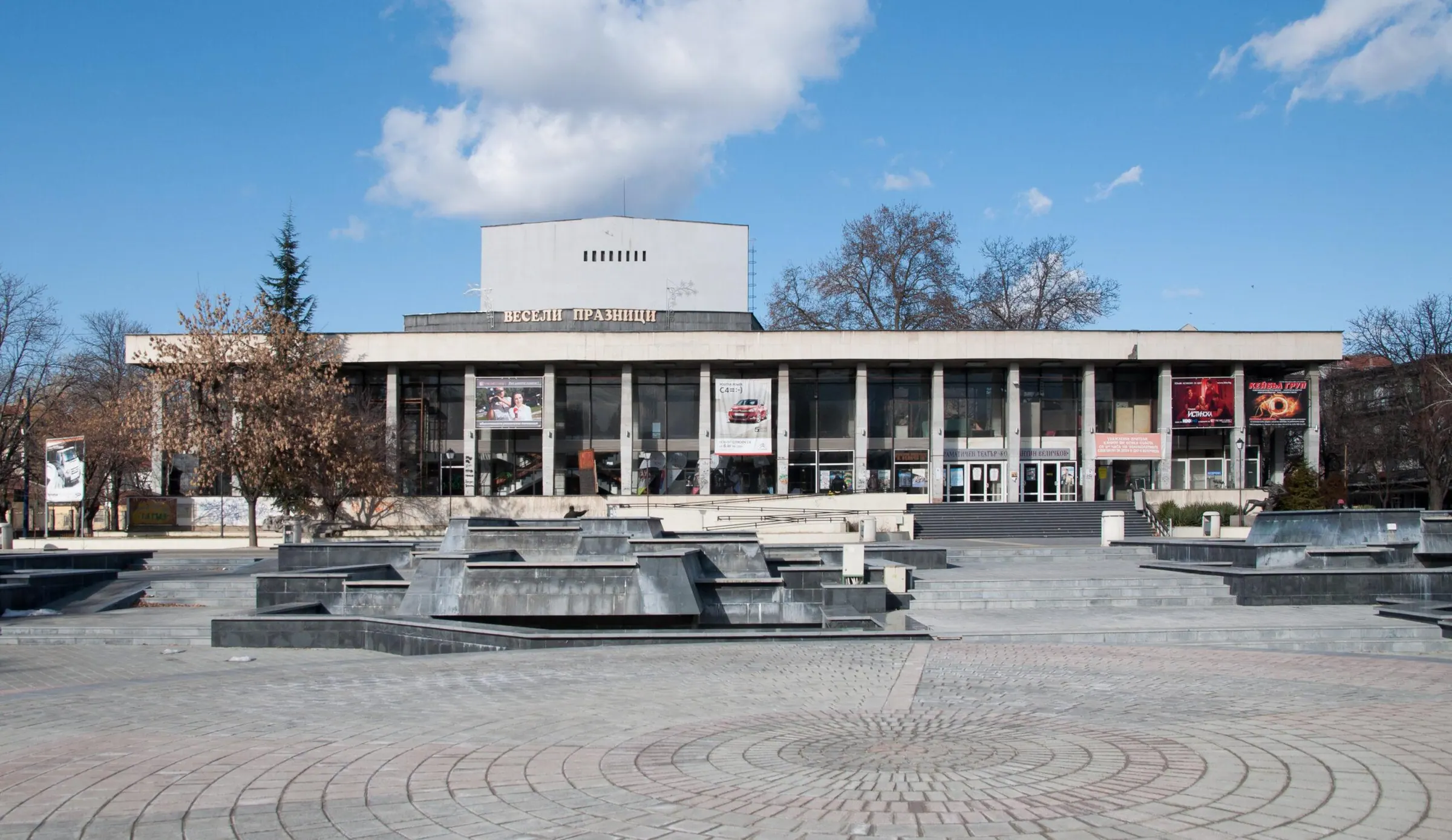
The Konstantin Velichkov Drama and Puppet Theatre is a state theatre. It is based in a building from 1969 in the centre of Pazardzhik, with a main hall of 470 seats and a chamber hall of 100 seats.

Monument to Saints Cyril and Methodius – Pazardzhik
20Pazardzhik

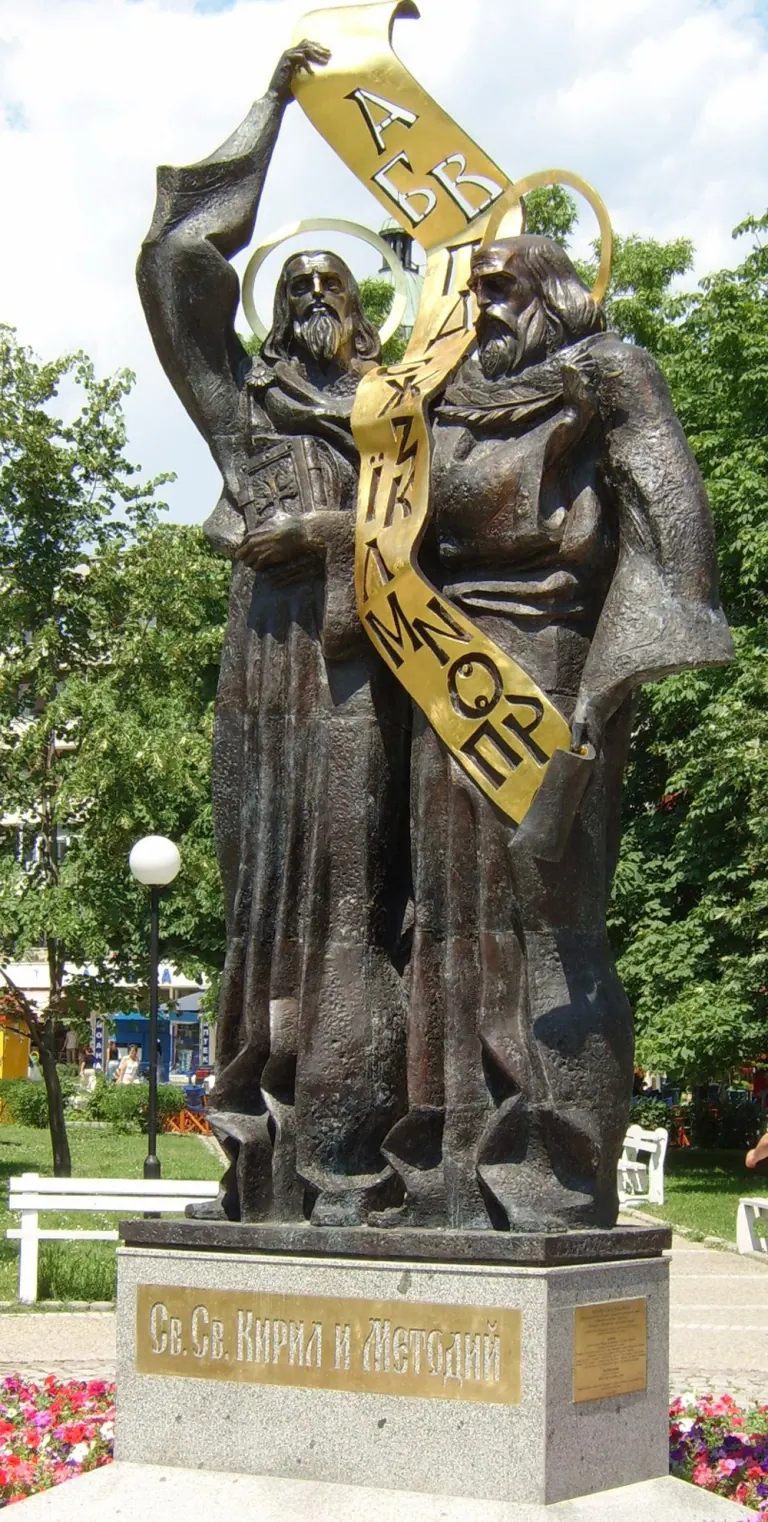
Monument to Saints Cyril and Methodius

The monument to Saints Cyril and Methodius in Pazardzhik was unveiled on 24 May 2005. It is the work of sculptor Spas Kirichev and architect Nina Kostadinova-Vaseva. The project was donated by Spas Kirichev, who created the 5-metre statue.

Memorial ossuary of Metodi Shatorov – Pazardzhik
21Pazardzhik

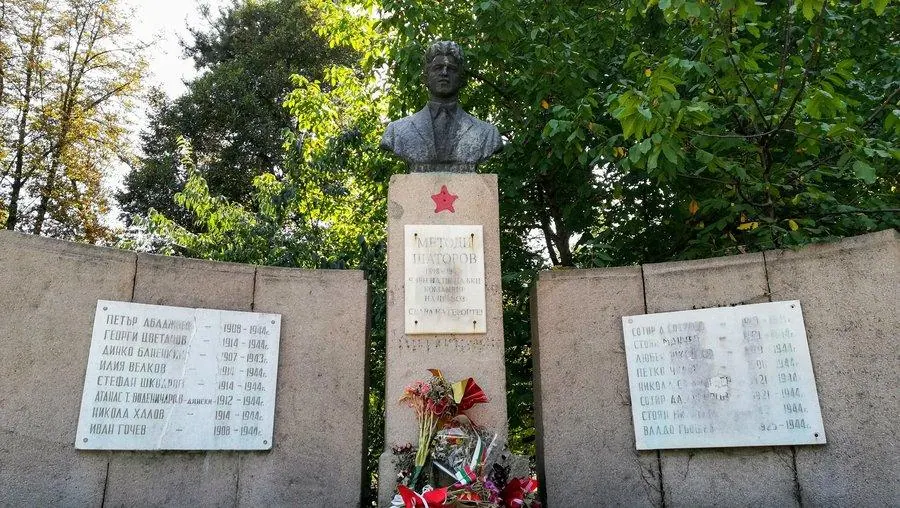
Memorial ossuary of Metodi Shatorov

Here rest the remains of Metodi Shatorov-Panayot, commander of the Third Insurgent Operational Zone, and of his comrades who fell with him in the battle of Milevi Skali on 4 September 1944. Metodi Shatorov was born on 10 January 1897 in Prilep.

“The Artists’ Swings” – Pazardzhik
22Pazardzhik

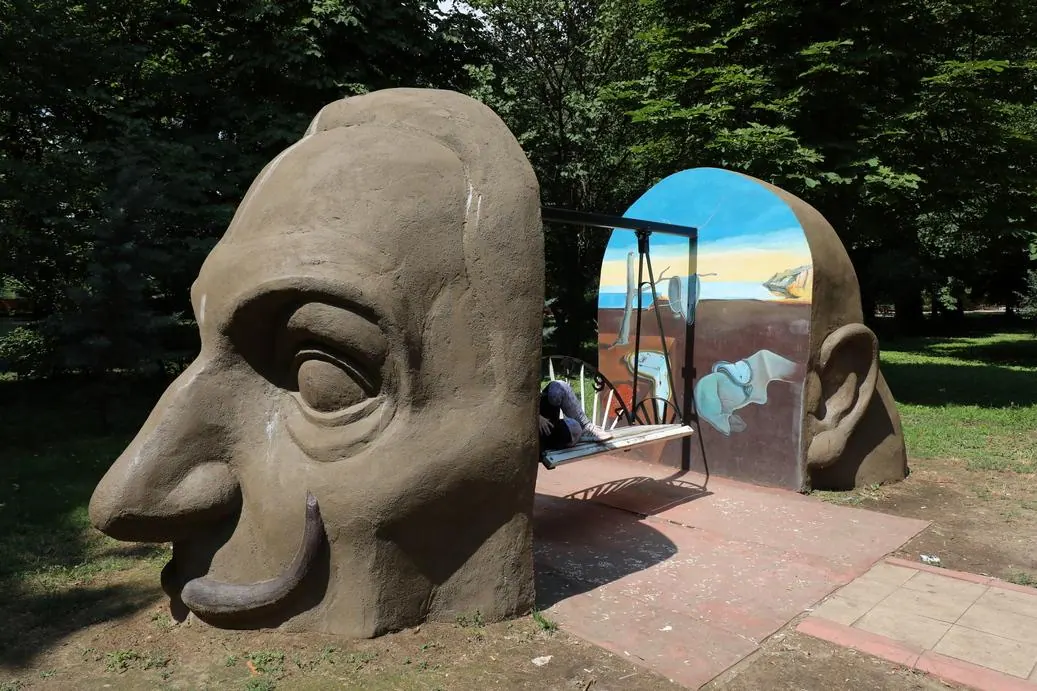
“The Artists’ Swings”

The “Artists’ Swings” project in Ostrov Svoboda Park features two works by Marin and Svetozara Kuzevi: “Van Gogh’s Swing” and “Salvador Dalí’s Swing”.

Kurshum Mosque – Pazardzhik
23Pazardzhik

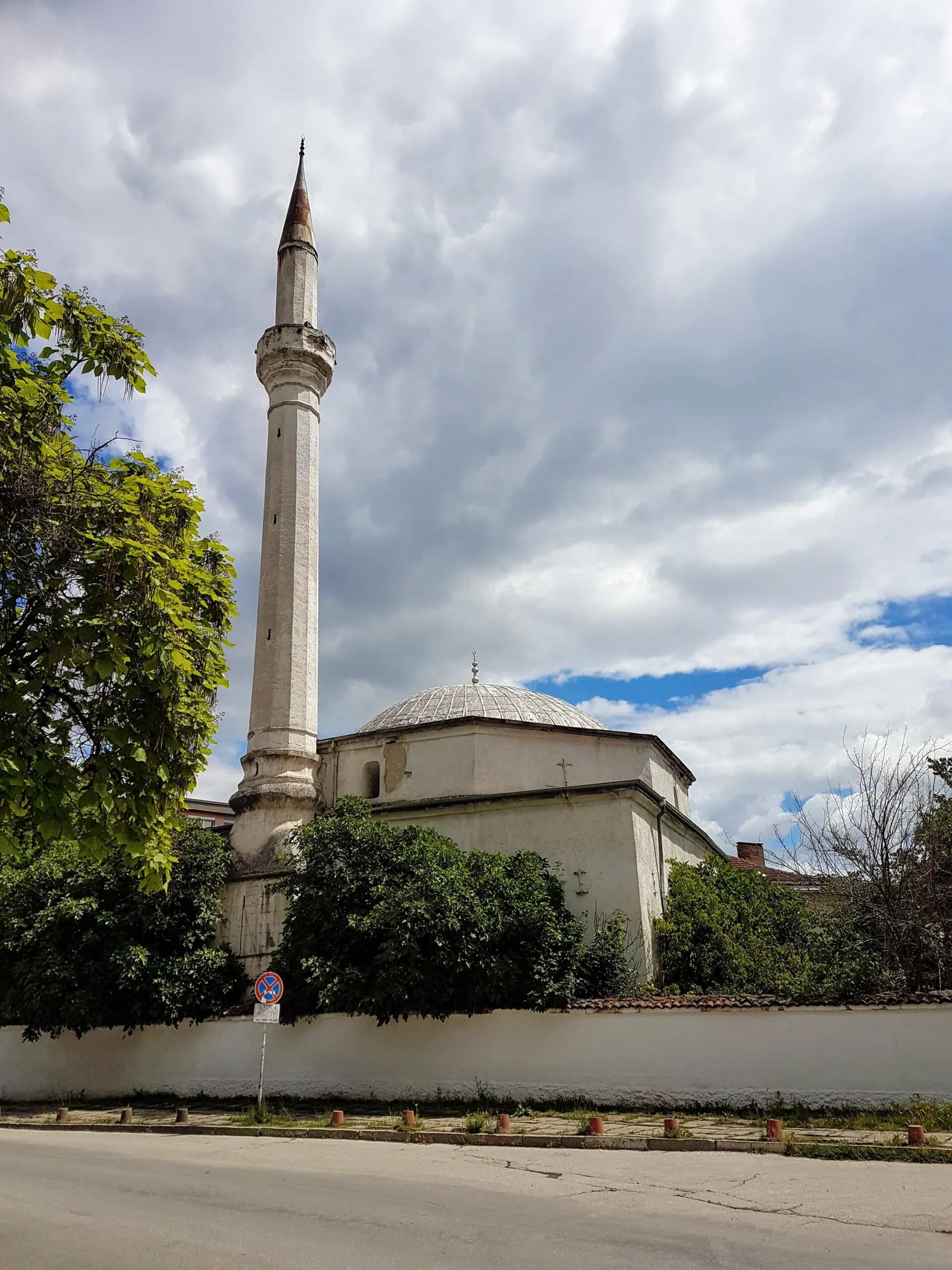
Kurshum Mosque

Kurshum Mosque is one of the oldest buildings in Pazardzhik. It stands in the city centre and was once linked to the Kurshum Han, an inn that welcomed travellers from all over the world.

Vasil Levski Sports Hall – Pazardzhik
24Pazardzhik

Vasil Levski Sports Hall

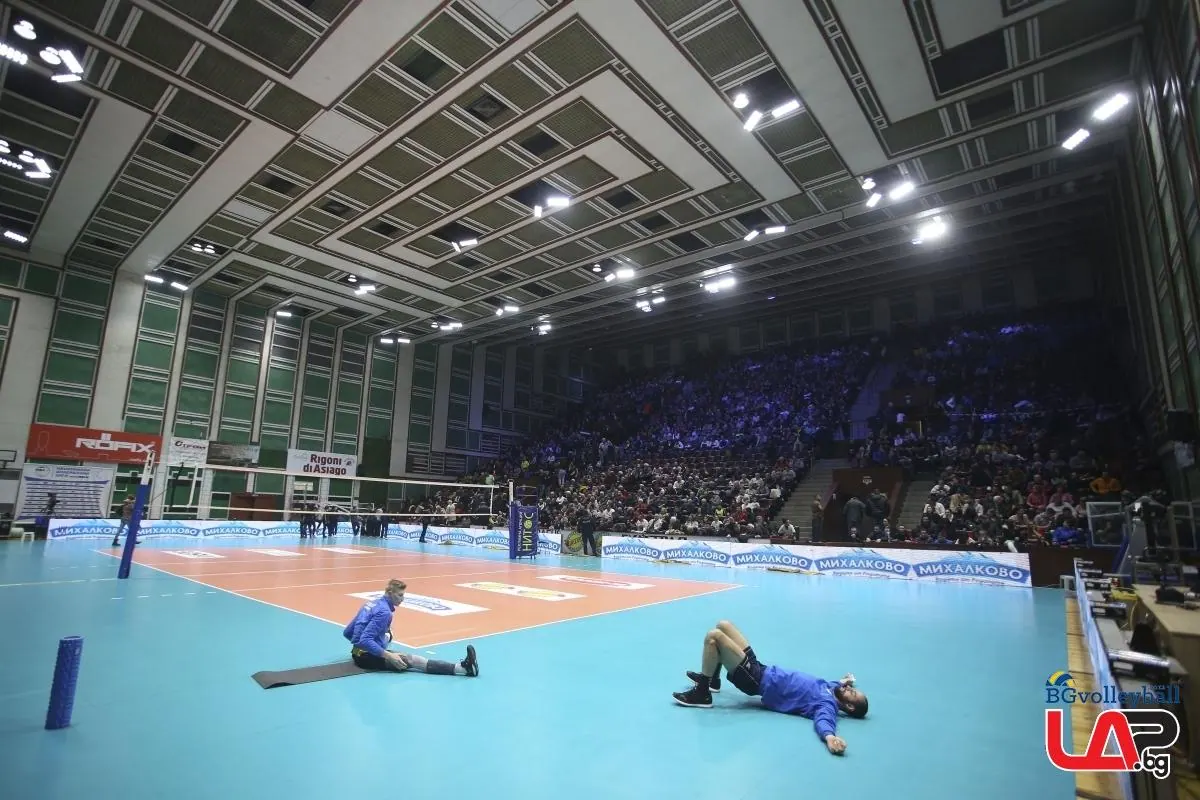
The Vasil Levski Sports Hall is the largest sports venue in the city, hosting training sessions and competitions. Its large seating capacity also makes it suitable for concerts, contests, meetings and other events.

Sculpture “The Pages of Zahari Stoyanov” – Pazardzhik
25Pazardzhik

Sculpture “The Pages of Zahari Stoyanov”

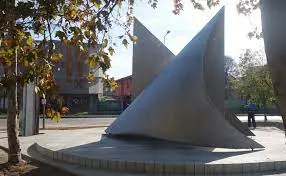
The sculpture “The Pages of Zahari Stoyanov” has a striking sculptural expression. Image and form are fused so that its modern language and message inspire progress and flight in everyone who touches our recent history.

The Synagogue – Pazardzhik
26Pazardzhik

The Synagogue

The Great Synagogue of Pazardzhik was built in 1850 by Stavri Temelkov, one of the most famous names of the Bratsigovo school of builders. It is a cultural monument in relatively good condition.

Statue of Spartacus – Pazardzhik
27Pazardzhik

Statue of Spartacus

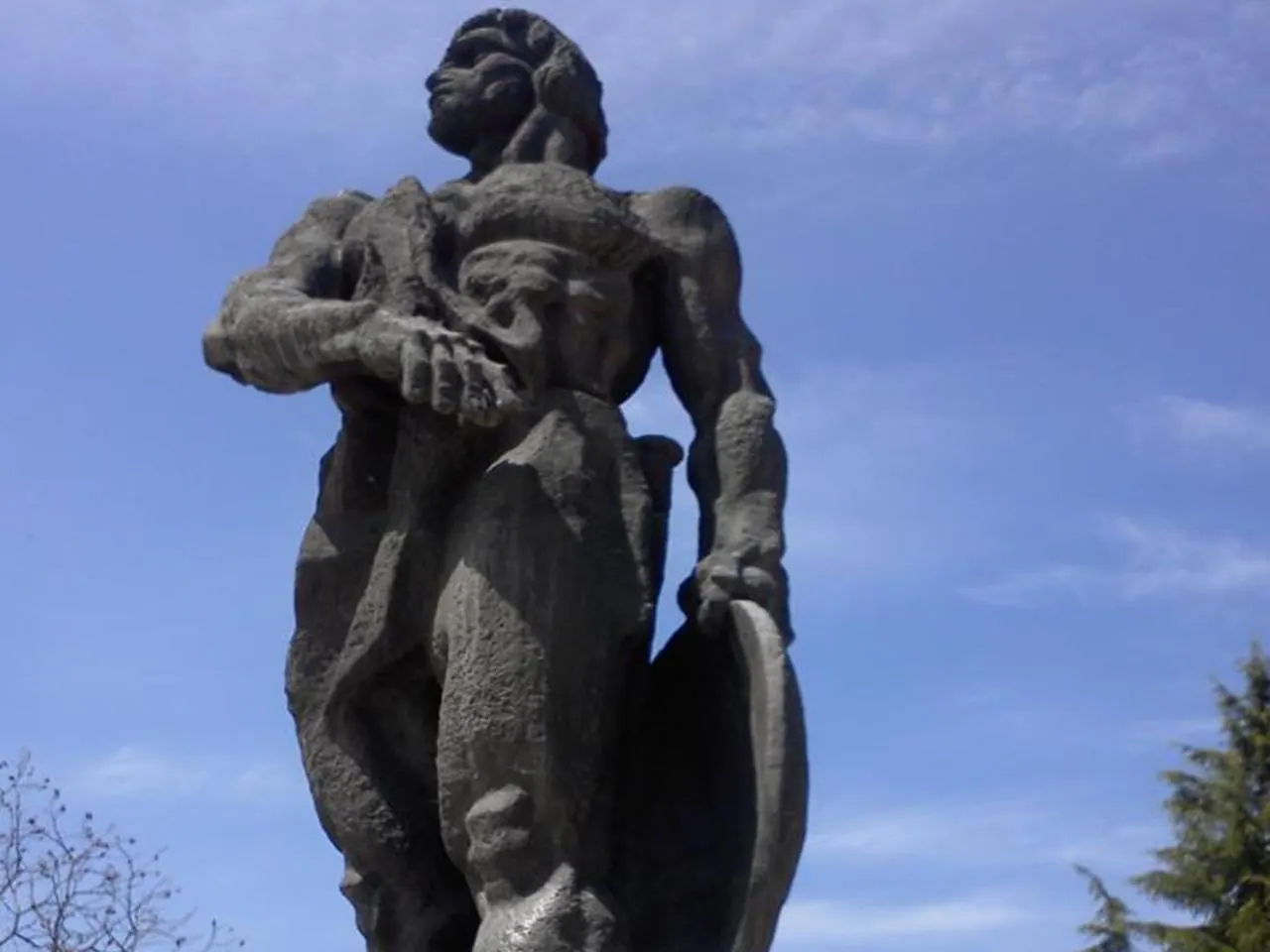
The monumental works of Velichko Minekov stand among the green spaces of central Pazardzhik. Among them is Spartacus, regarded as one of the emblems of the city. The statue is next to the Regional Historical Museum.

Boev Art Gallery – Pazardzhik
28Pazardzhik

Boev Art Gallery

Boev Art Gallery has long been known to Bulgarian art lovers and collectors for exhibiting works by Nikola Manev, Milko Bozhkov, Stoyan Tsanev, Stoimen Stoilov and other renowned Bulgarian artists.

The Panagyurishte Gold Treasure – Panagyurishte
29Panagyurishte

The Panagyurishte Gold Treasure

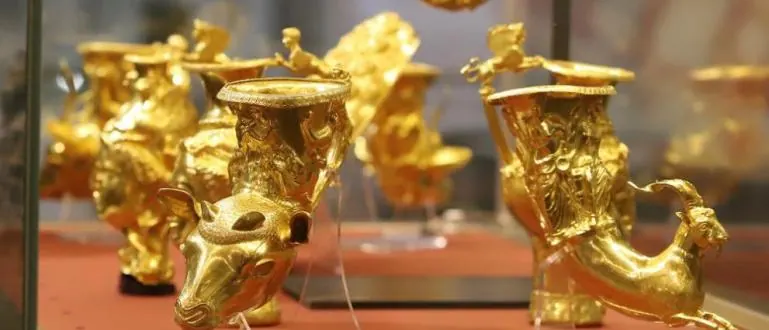
The Panagyurishte Treasure is an ancient Thracian gold set of nine vessels weighing a total of 6.164 kg. It was discovered on 8 December 1949, 2 km from Panagyurishte, by the brothers Pavel, Mihail and Petko Georgievi Deykovi.

Peristera Fortress – Peshtera
30Peshtera

Peristera Fortress

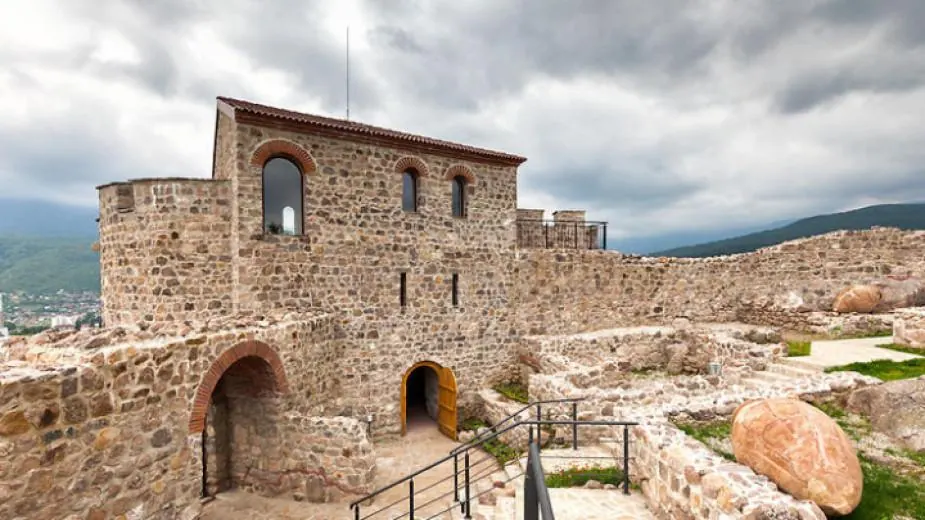
Peristera Fortress lies north of the town of Peshtera. Its name comes from Greek and means “dove”. It has three rings of walls and six defensive towers on the innermost wall. Archaeologists date it to the 4th century and believe it existed at least until the 7th century; an ancient Thracian sanctuary probably stood on the same site.

Yunatsite settlement mound – Yunatsite
31Yunatsite

Yunatsite settlement mound

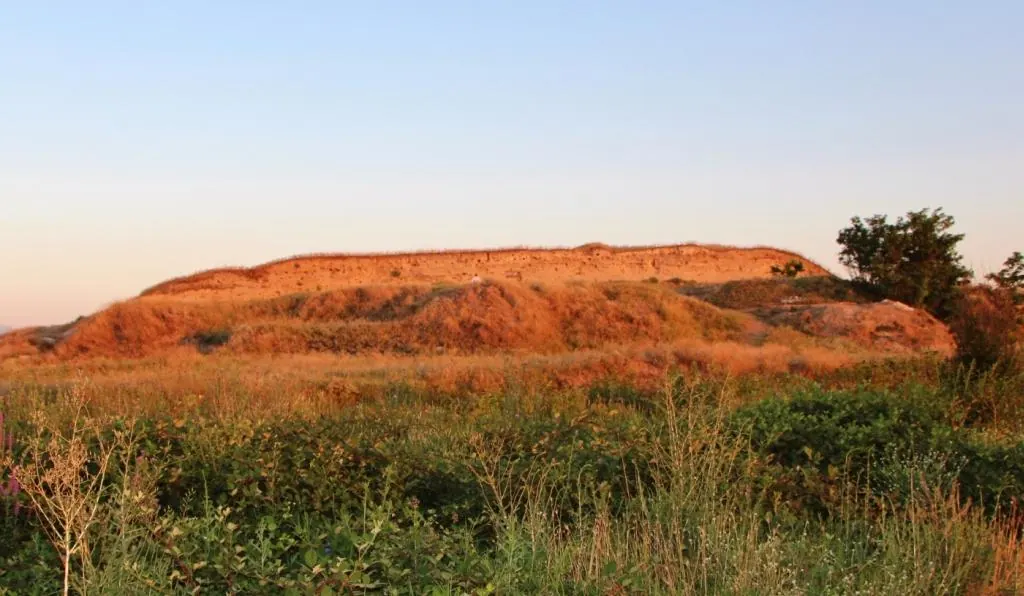
The Yunatsite settlement mound, also known as the Flat Mound, lies in the western part of the Upper Thracian Plain, 8 km west of Pazardzhik. Remains of at least 30 settlements built one on top of another have been uncovered here, bearing witness to more than 6,000 years of habitation by different peoples in different eras.

The hills of Plovdiv – Plovdiv
32Plovdiv

The hills of Plovdiv

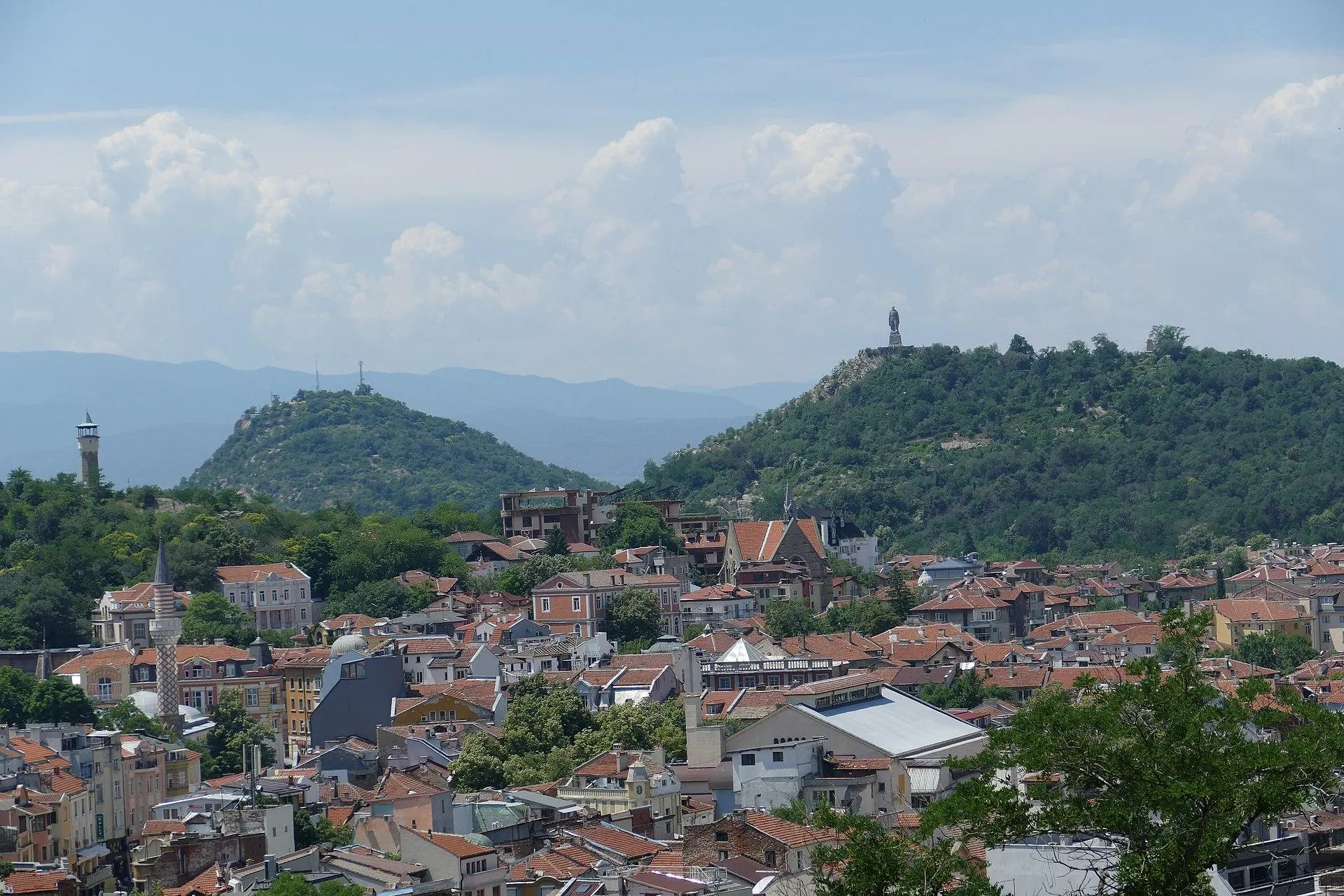
The hills (tepeta) of Plovdiv are a geological phenomenon, a natural landmark and a symbol of the city, giving it its unique look and atmosphere. Convenient, well-kept roads make them easy to reach, and many archaeological sites have been preserved on them.

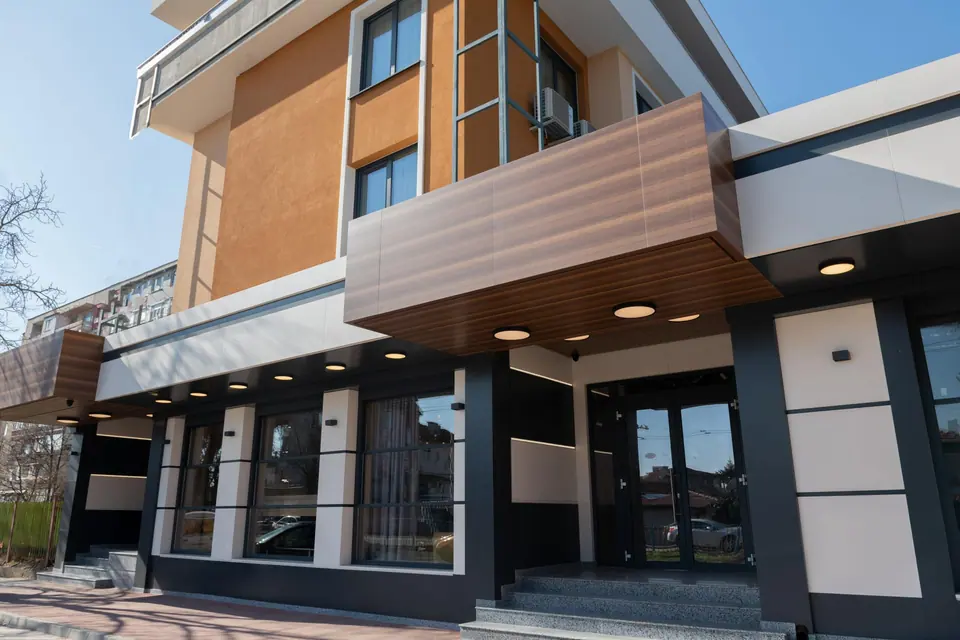
The hotel building – Forum City Hotel, Pazardzhik

Reservations

Your stay in Pazardzhik starts here

Book online or send us an inquiry – we will get back to you.